Skip to content

Hardware

A one-pallet unit. Two ways into the line.

Solid rod for near-surface obstructions. NanoCoil for circulation, displacement, chemical injection, liquid plugs, and pipe-in-pipe replacement — 2–3 mm access across extended well geometries. Both run under full pressure control. Neither needs a drilling rig.

NORSOK Z-015. ATEX Zone 1. Developed with NORCE and Innovation Norway. Built by HYTECH.

WellMend pallet unit in the workshop
Pumps and controls inside the WellMend unit

Two services

Drift the line, or circulate it.

Slick-line access

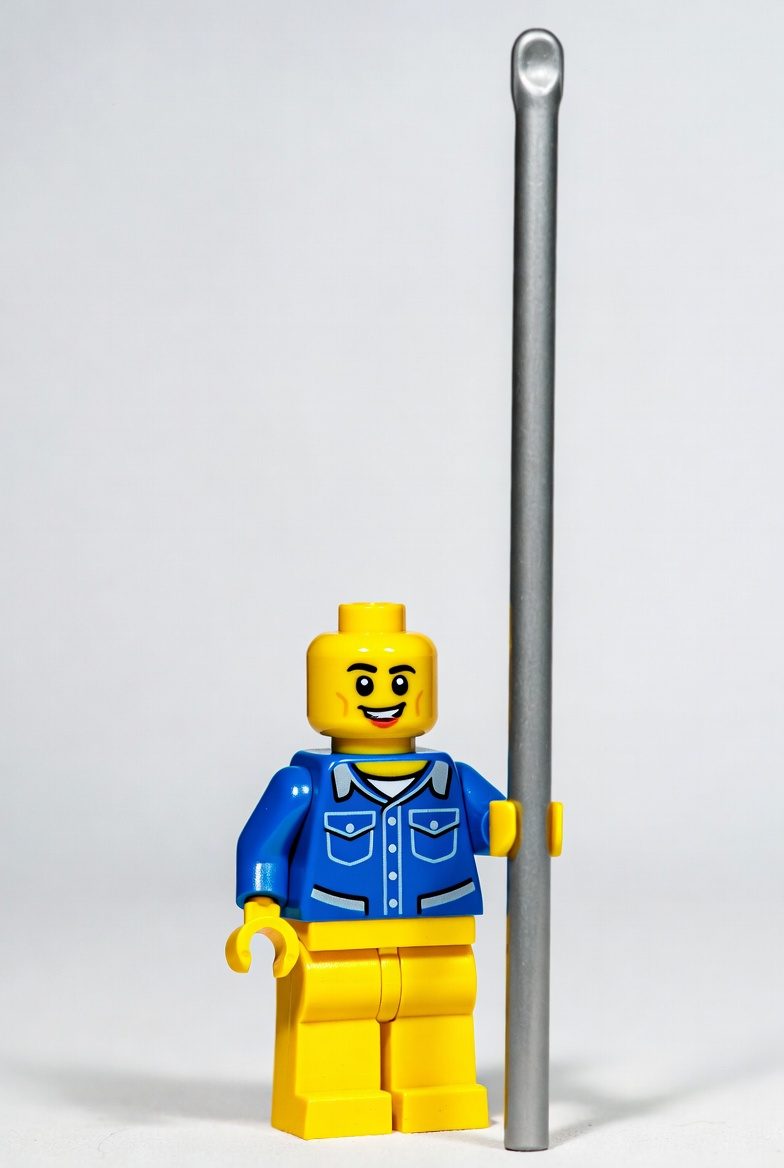
Solid rod

Typically 7–8 days

A four-person team on the platform. Drift to depth, evaluate, broach obstructions, restore use of the control or injection line.

  • Solid-rod intervention to tag and move a plug
  • Drift, evaluate, remedial broaching
  • Regain hydraulic communication
  • One wellhead-certified hand; three offshore generalists
Circulation & replacement

NanoCoil

Typically two weeks

Pressure-rated 1.5–2 mm access for circulation, displacement, liquid-plug placement, and pipe-in-pipe replacement of a leaking line.

  • Flush, clean, and replace fluids at depth
  • Liquid plug for P&A barrier placement
  • Pipe-in-pipe: install NanoCoil inside a leaking control line
  • Full pressure control, ATEX Zone 1

Envelope

Designed around the restriction, not around a workover.

Control-line ID
3.6 mm
Typical hydraulic line
NanoCoil ID
1.5–2 mm
Pressure-rated tooling pipe
Access path
2–3 mm
Across extended well geometries
Footprint
1 pallet
Versus conventional coiled tubing
Area class
ATEX Zone 1
Full pressure control
Standard
NORSOK Z-015
Offshore certified unit
Field status
Gullfaks 2025
Two mobilisations, Equinor

In the well

The completion stays. The coil goes in beside it.

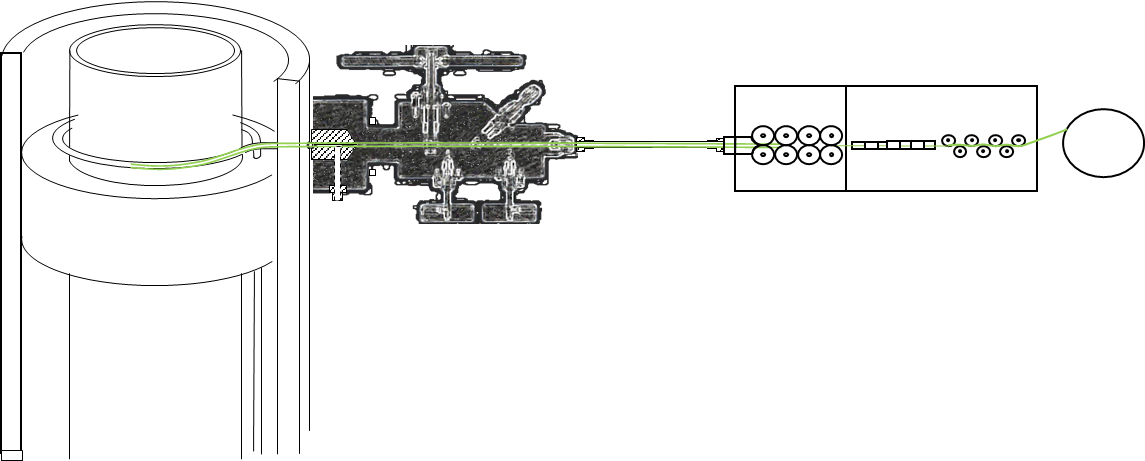
Hydraulic control-line tubing is typically 3.6 mm inside diameter, with wraps and bends that reject conventional coiled tubing. NanoCoil is 1.5–2 mm, pressure-rated, and built to carry treatment fluids through that geometry — including a pipe-in-pipe left in a leaking line.

SIDE VIEWSurface treeNanoCoil · 1.5–2 mmProduction tubingstays in the wellControl line · 3.6 mmReach 200 m+SECTION AT DEPTHTubingremainsLine + coilCasing
Wellhead schematic showing NanoCoil entering the control line from the compact surface unit

Sequence

Circulation, confirmation, treatment — under pressure control.

  1. 01

    Enter the existing line

    Solid rod or NanoCoil is connected to the control or injection line already in the well. No production tubing retrieval. Other production on the platform continues.

  2. 02

    Navigate the geometry

    The string passes tight radii and directional changes inside a 3.6 mm line — the restriction that stops conventional coiled tubing.

  3. 03

    Circulate and confirm

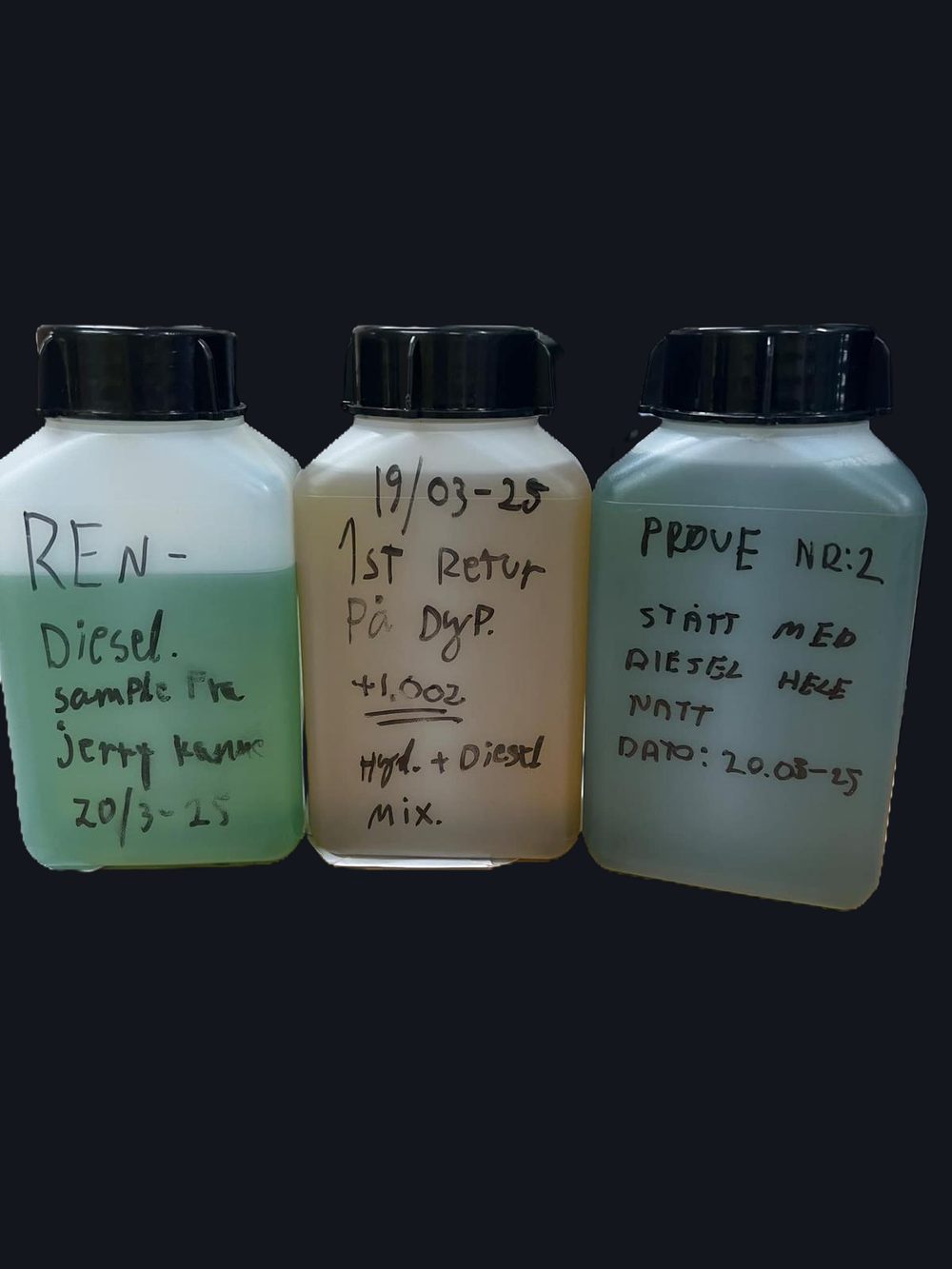
    Pressure-controlled circulation and displacement at depth: debris recovery, diagnostic confirmation, then targeted treatment or plugging.

  4. 04

    Restore or abandon

    Bring a safety valve back, leave a pipe-in-pipe, or place a liquid plug — then demobilise. The well stays in the Opex column.

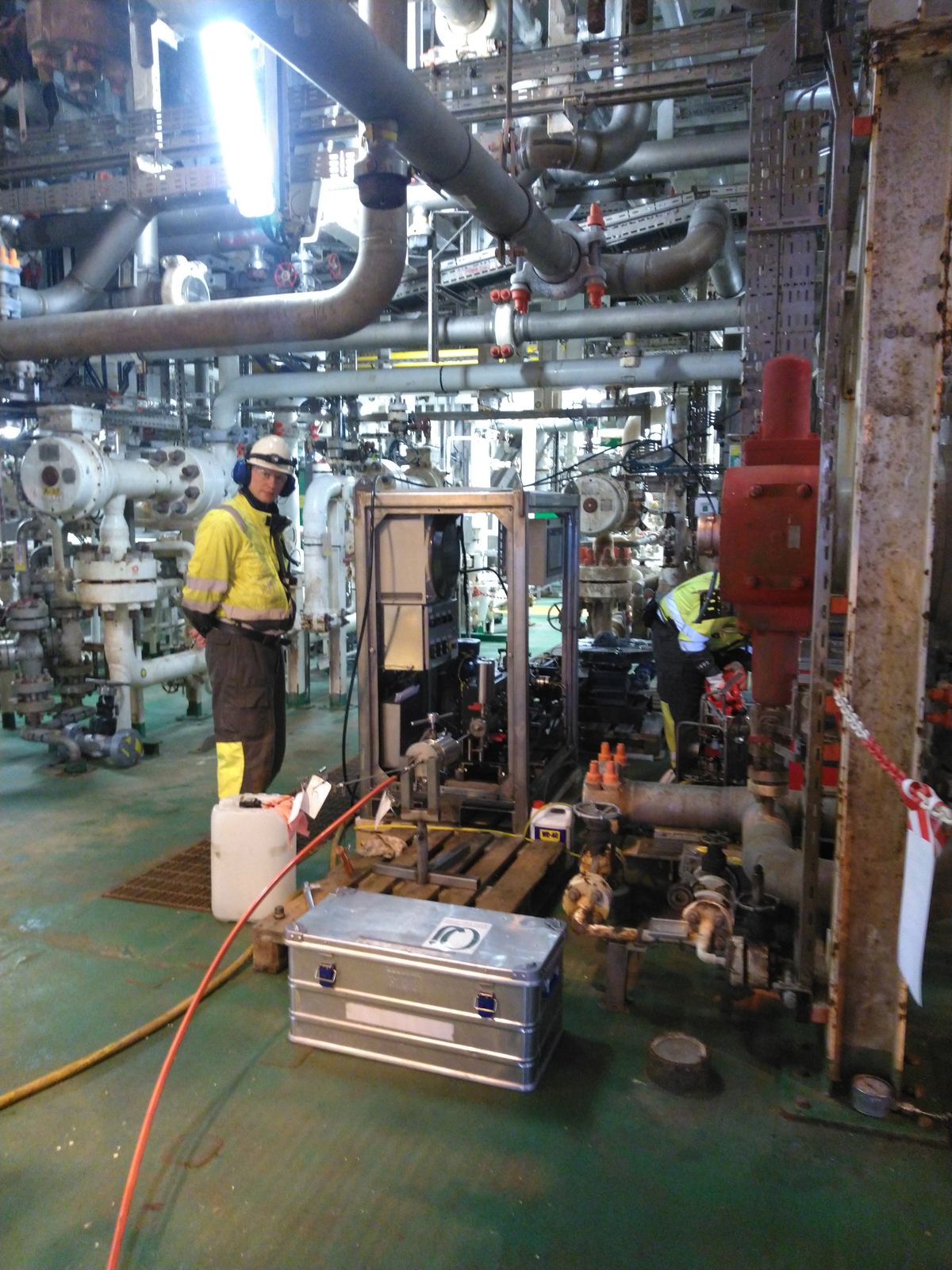
WellMend unit on the Gullfaks deck

Next

Send the well geometry. We will say if it fits.