
Applications
Late-life wells, without the full workover.
Control-line repair was the starting point. The same access now enables chemical injection, reaches restricted flow paths, and supports through-tubing abandonment — wherever a 2–3 mm path is the difference between waiting and a workover. Proven on Gullfaks.
- Loss of hydraulic functionality
- Reduced well operability
- Increased uncertainty around barrier status
- Escalation toward heavier intervention
- Additional complexity in abandonment planning
Safety valve
DHSV lost communication
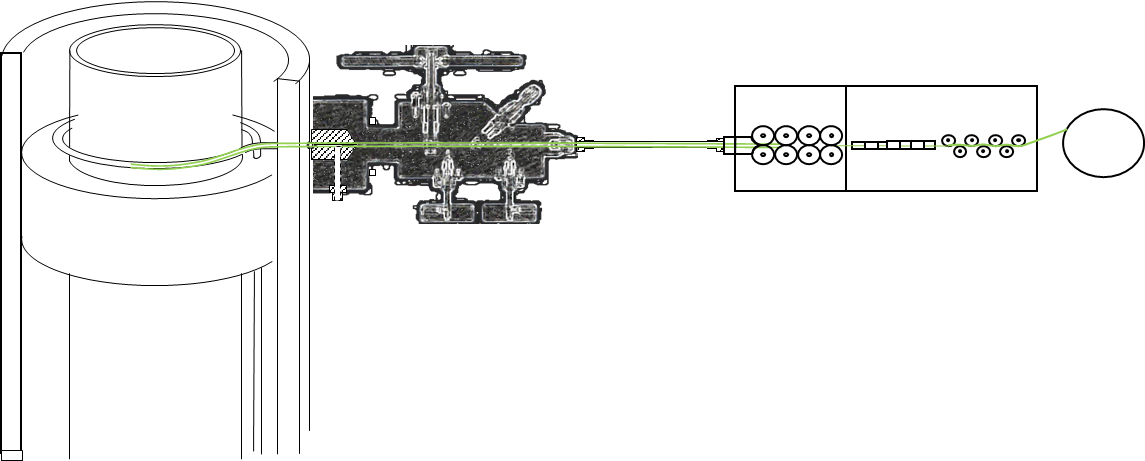
Operators typically attempt a tubing-side intervention first. If that fails, the well is listed for workover and competes with new drills and P&A. WellMend is the step in between: mechanical access through the control line, then circulation, diagnostics, and remedial treatment at depth — without retrieving production tubing. A shut-in well on the NCS can cost more than NOK 400 million. This intervention is designed to cut that by 90% or more.
Integrity
Control-line clean-out
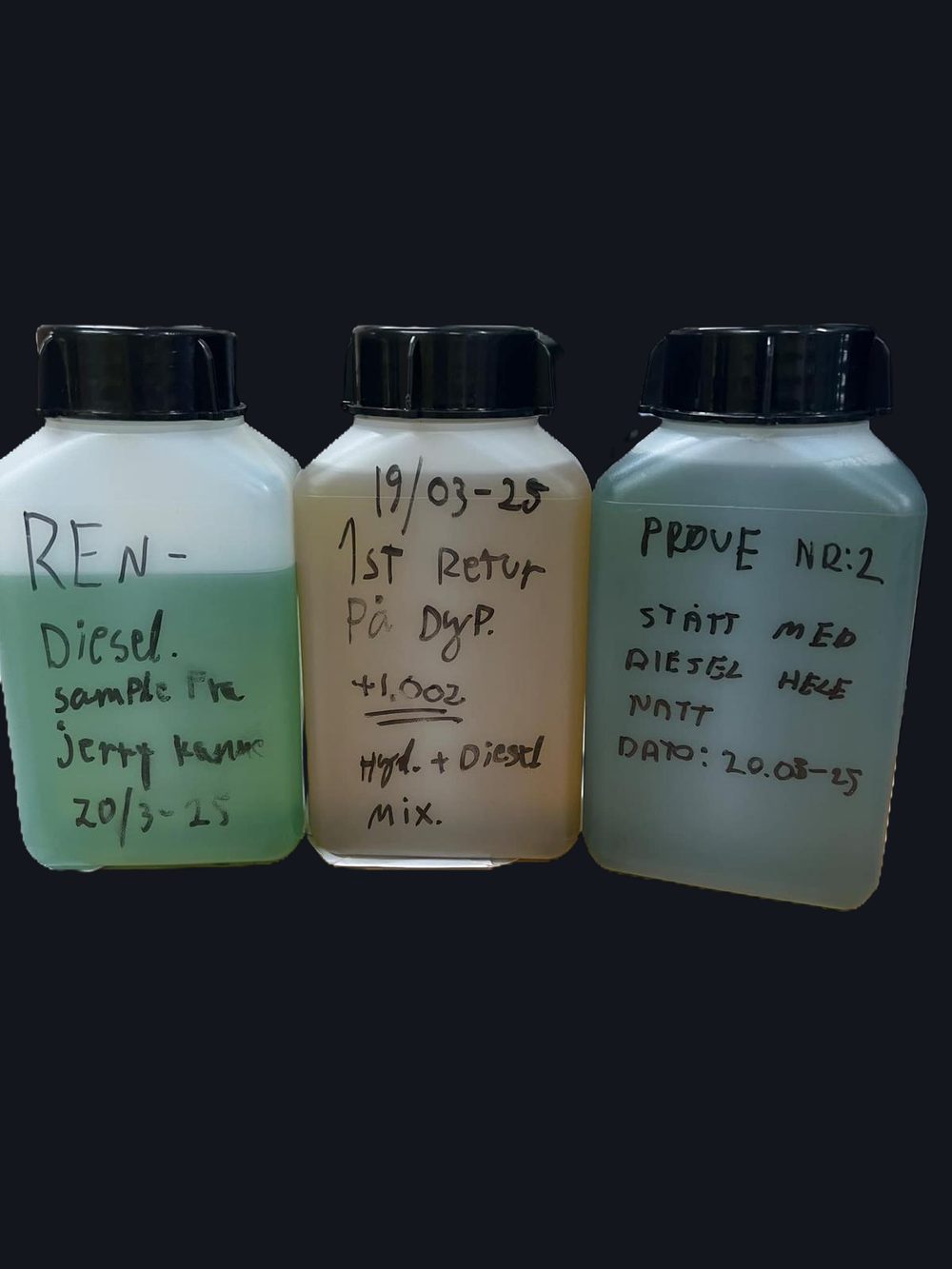
Standard 3.6 mm control lines run 200 m to several hundred metres, with wraps and bends that reject conventional tooling. The 1.5–2 mm NanoCoil string is built to navigate those restrictions and still carry treatment fluids. On Gullfaks, diesel circulation recovered solid debris for platform and onshore analysis.
Injection
Chemical injection in existing wells
Late-life wells often need scale, hydrate, or corrosion treatment down a millimetre-scale injection line that is blocked or was never commissioned. NanoCoil provides a pressure-rated path to establish injection, displace fluids, and keep the completion in the well. The same access used to restore a control line is the access used to treat through one.
Leaking line
Pipe-in-pipe replacement
When the line itself is the leak path, NanoCoil can be left in place as a pipe-in-pipe. That restores hydraulic function and supports later plugging, without a workover and without disturbing other production on the platform.
P&A
Through-tubing abandonment
Decommissioning programmes stall on access, not on the barrier itself. Positive access and plugging of control and chemical-injection lines supports mitigation of leak paths associated with barrier penetrations — and keeps tubing retrieval off the critical path. Presented at SPE Well Decommissioning, Aberdeen, 3–4 June 2026.
Operators
Built for regions that require a functioning safety valve to produce.
If regulations keep a well shut in until the DHSV communicates, waiting on a workover slot is the expensive option. WellMend is the contained step before that escalation — already run on the NCS with Equinor.